


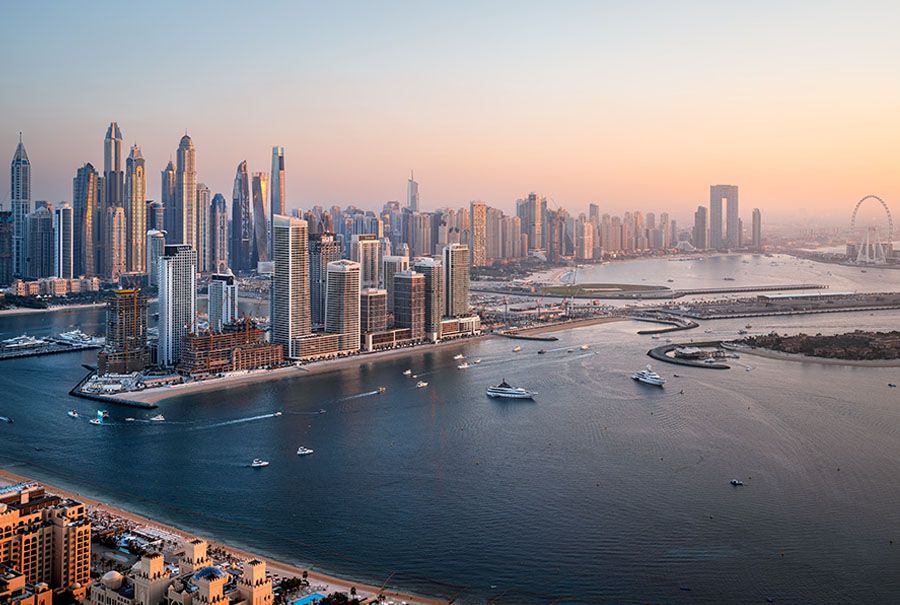
The UAE has solidified its position as a global real estate powerhouse, drawing investors with its diversified economy, progressive regulations, advanced infrastructure, and consistent demand for quality housing and commercial spaces. As of 2026, the market demonstrates resilience amid a shift toward more balanced, sustainable growth following earlier rapid appreciation. Whether you are a first-time investor exploring entry points or a seasoned professional diversifying your holdings, understanding the nuances of the best investment properties in the UAE is essential for informed decision-making and long-term success. This guide provides a comprehensive overview grounded in current market dynamics.
Why Invest in UAE Real Estate?
Investing in UAE real estate continues to appeal to a broad spectrum of international and local buyers due to the country's macroeconomic stability, strategic geographic positioning, and ongoing development initiatives. The market benefits from strong fundamentals, including population growth, tourism recovery, and business-friendly environments that support both residential and commercial demand. While past years saw notable price increases, 2026 reflects a maturing phase with moderated but positive growth prospects, offering opportunities for steady income and potential appreciation when selected thoughtfully.
Key advantages include:
- Stable Economic Environment: The UAE's diversified economy, bolstered by sectors like tourism, finance, logistics, and technology, provides a resilient backdrop for property investments, reducing vulnerability to single-industry fluctuations.
- Investor-Friendly Regulations: Policies such as freehold ownership in designated areas grant foreigners full title deeds and property rights, fostering confidence and long-term security.
- Varied Investment Choices: Investors can select from high-rise apartments, spacious villas, luxury branded residences, or commercial units, accommodating different risk appetites and goals like rental income or capital growth.
- Global Connectivity: As a bridge between continents, the UAE enhances property appeal through world-class airports, ports, and free zones that attract expatriates and businesses.
- Quality of Life and Infrastructure: Modern amenities, sustainable developments, entertainment districts, and smart-city projects contribute to sustained tenant interest and property desirability over time.
Types of Investment Properties in UAE
Selecting the appropriate property type is crucial and should align with your objectives, whether prioritizing immediate cash flow, long-term appreciation, or portfolio diversification. The UAE market offers a rich array of options, each with distinct characteristics suited to various investor profiles. In 2026, residential properties remain dominant, but commercial assets are gaining traction for stability.
Apartments
Apartments represent one of the most accessible and liquid segments, particularly favored by young professionals, small families, and short-term rental operators. Their popularity stems from convenient locations, manageable upkeep, and strong demand in urban hubs. These units often provide reliable occupancy due to the transient nature of the expatriate workforce.
- Popular in vibrant districts with easy access to workplaces and leisure.
- Generally lower maintenance compared to larger homes.
- Suitable for both long-term leases and vacation-style rentals.
- Attractive entry for new investors seeking steady tenant turnover.
Villas and Townhouses
These properties cater to families and investors seeking premium lifestyles with more space and privacy. Master-planned communities enhance their value through shared facilities like parks, schools, and retail. In 2026, they continue to show appeal for long-term holding due to family-oriented demand.
- Feature generous layouts, gardens, and community amenities.
- Ideal for stable, longer-tenure rentals.
- Found in established and emerging family-focused developments.
- Potential for solid appreciation as communities mature.
Luxury Properties
The luxury segment targets high-net-worth individuals desiring exclusivity, waterfront views, and high-end finishes. Branded residences and penthouses in iconic locations maintain prestige, though they may experience more cyclical demand influenced by global economic sentiment.
- Include sea-view units, signature developments, and ultra-premium homes.
- Appeal to discerning buyers and tenants valuing status.
- Concentrated in landmark areas with superior amenities.
- Offer lifestyle benefits alongside investment potential.
Commercial Properties
Offices, retail outlets, and warehouses provide diversification away from purely residential exposure. Business districts benefit from corporate relocations and economic activity, supporting longer lease terms and more predictable income streams.
- Span various asset classes in active economic zones.
- Attract stable tenants like businesses and service providers.
- Help balance portfolio risk across market cycles.
- Benefit from infrastructure supporting commercial growth.
Off-Plan vs Ready Properties Off-Plan Properties
These involve purchasing units prior to or during construction, allowing participation in future community development. They suit investors comfortable with longer horizons and potential for value uplift as projects complete. Key considerations include thorough due diligence on timelines and safeguards.
- Enable involvement in emerging projects with growth upside.
- Often feature structured payment schedules during build-out.
- Higher potential for appreciation upon handover.
- Require evaluation of developer track record and regulatory protections like escrow accounts.
Ready Properties
Completed units deliver immediate usability and income generation, minimizing construction-related uncertainties. They appeal to those wanting quick deployment of capital into revenue-producing assets.
- Available for instant occupancy or leasing.
- Lower risk profile regarding delivery delays.
- Facilitate immediate assessment of condition and surroundings.
- Support strategies focused on current rental markets and occupancy levels.
Prime Locations for Best Investment Properties UAE
Location remains one of the most influential factors determining performance, influencing rental demand, occupancy, and resale liquidity. Established areas provide proven track records, while emerging zones offer growth potential amid ongoing infrastructure expansions. In 2026, a mix of mature and developing districts presents varied opportunities.
Dubai
Dubai dominates investor attention with its dynamic pace, diverse communities, and international profile. It continues to lead in transaction volumes and innovation.
- Dubai Marina: Waterfront living with high expat appeal, vibrant social scene, and strong short- and long-term rental demand.
- Downtown Dubai: Iconic setting near landmarks, business centers, and cultural attractions, supporting premium residential interest.
- Palm Jumeirah: Exclusive beachfront enclave known for luxury villas and apartments with high-end lifestyle offerings.
- Business Bay: Central positioning blends residential and commercial elements, attracting professionals.
- Dubai Hills Estate: Family-centric master community featuring green spaces, schools, and modern residences for balanced living.
Abu Dhabi
Abu Dhabi offers a complementary environment with greater emphasis on stability, cultural depth, and government-backed developments. It appeals to investors favoring measured growth.
- Waterfront and cultural districts with family-focused neighborhoods.
- Stronger emphasis on long-term residency and institutional presence.
- More relaxed atmosphere compared to Dubai while maintaining solid infrastructure.
- Opportunities in areas like Yas Island, Saadiyat Island, and Al Reem for tourism, luxury, and mixed-use potential.
Emerging Hotspots
Newer developments are drawing attention for future scalability and potentially higher growth trajectories.
- Dubailand and Dubai South: Positioned for expansion tied to tourism, logistics, and airport-related growth, with off-plan and villa options.
- Emaar Beachfront, Dubai Islands, and others: Waterfront and sustainable projects promising long-term residential and hospitality synergies.
- Areas like Jumeirah Village Circle (JVC), Dubai Silicon Oasis, and Arjan for more accessible residential yields and family demand.
Key Factors for High-ROI Investment
Successful property investment in the UAE hinges on a combination of quantitative analysis and qualitative assessment. Investors should adopt a holistic approach, weighing multiple variables beyond superficial appeal. Market conditions in 2026 underscore the importance of due diligence in a more competitive landscape.
- Rental Demand and Growth Potential: Analyze historical occupancy, tenant demographics, and projected economic drivers for sustainable returns.
- Infrastructure and Amenities: Proximity to transport links, educational facilities, healthcare, and retail significantly impacts desirability and value retention.
- Developer Credibility: Opt for established entities with proven delivery records to mitigate project risks.
- Broader Market Dynamics: Monitor supply pipelines, regulatory changes, and macroeconomic indicators for informed timing.
- Portfolio Balance: Combine different property types and locations to spread exposure across varying market segments.
Benefits of Professional Property Management
Engaging experienced property managers can significantly enhance ownership outcomes by handling operational complexities and optimizing performance. This is especially valuable for non-resident investors or those with multiple assets.
Professional services streamline day-to-day responsibilities while providing strategic oversight:
- Thorough tenant vetting, lease management, and relationship handling.
- Efficient rent processing, accounting, and performance reporting.
- Proactive maintenance, compliance checks, and emergency response.
- Data-driven recommendations on pricing, marketing, and occupancy strategies.
- Guidance on legal matters, regulatory adherence, and dispute resolution.
Top Investment Strategies in UAE Real Estate
Effective strategies in 2026 balance risk and opportunity, adapting to a market transitioning from hyper-growth to steadier expansion. Tailor your approach to personal circumstances and market realities.
- Demand-Driven Residential Focus: Target well-connected apartment communities like Dubai Marina, Business Bay, or JVC for consistent rental performance.
- Premium Lifestyle Assets: Consider luxury villas and waterfront properties in Palm Jumeirah, Dubai Hills Estate, or Saadiyat Island for appreciation and exclusivity.
- Growth-Oriented Off-Plan Plays: Participate selectively in promising developments in expanding areas, emphasizing reputable developers and realistic timelines.
- Income-Focused Ready Assets: Acquire completed properties in high-occupancy zones for quicker revenue generation and reduced uncertainty.
- Diversified Commercial Inclusion: Allocate portions of capital to offices or retail in business districts for income stability less correlated with residential trends.
Conclusion
The UAE real estate sector in 2026 presents a landscape of opportunity within a maturing, resilient market. By focusing on the best investment properties UAE—spanning apartments, villas, townhouses, luxury options, and commercial spaces—investors can pursue rental income, capital growth, and portfolio resilience. Success depends on thorough research, alignment with personal objectives, and adaptation to evolving conditions such as supply dynamics and economic indicators. Collaborating with reputable agencies and professionals facilitates access to quality listings, expert insights, and efficient management. With strategic planning, UAE property investment can serve as a valuable component of a forward-thinking portfolio for the years ahead.