

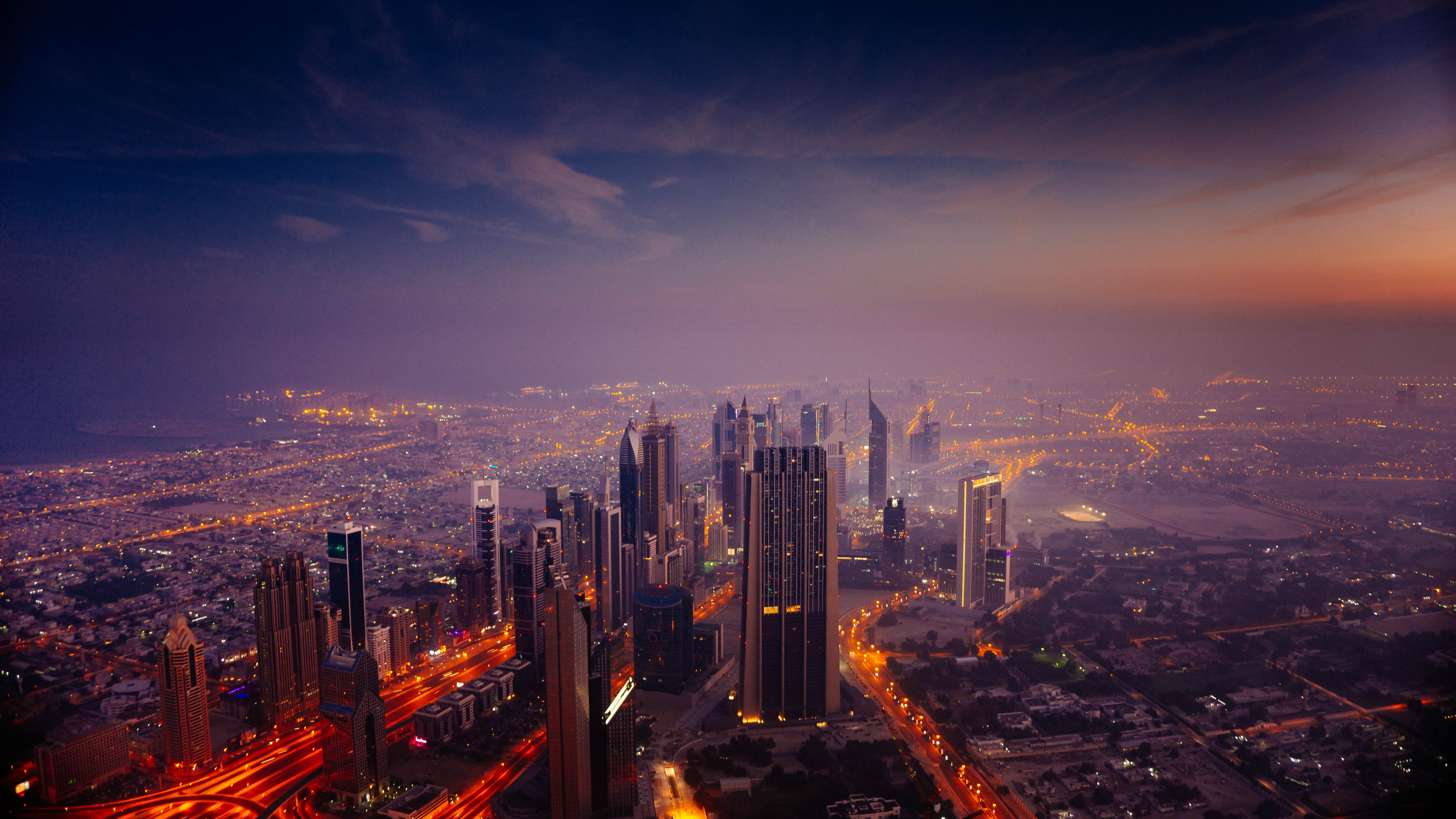
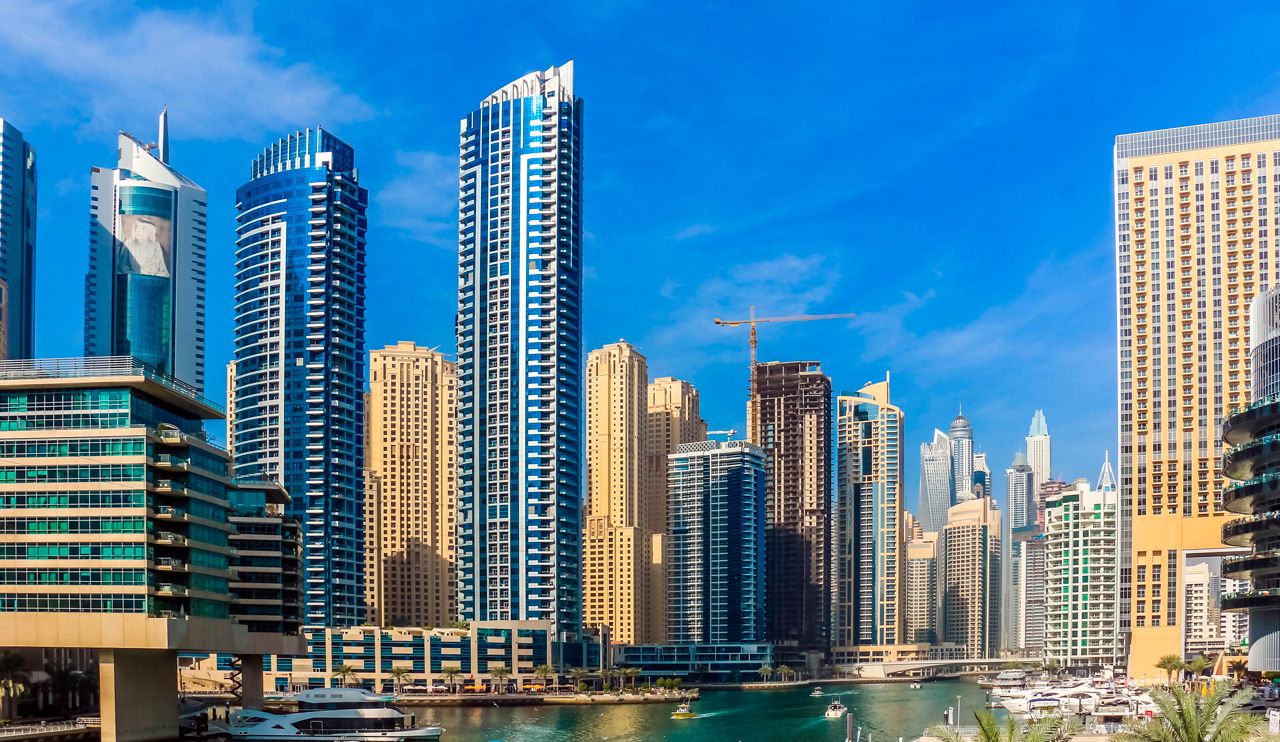
Dubai has established itself as a premier global business hub, drawing investors, entrepreneurs, and multinational corporations from around the world. The city’s dynamic economy, strategic geographic position, and supportive regulatory environment make commercial properties for sale in Dubai attractive assets. Whether seeking office spaces, retail outlets, warehouses, industrial units, or mixed-use developments, a thorough understanding of the market is essential for sound investment and operational decisions.
Why Invest in Commercial Properties in Dubai?
Investing in commercial real estate in Dubai presents numerous benefits that align with both business expansion and portfolio diversification goals.
Dubai’s location at the crossroads of Europe, Asia, and Africa facilitates seamless access to major markets, serving as an ideal base for international trade and operations. Its world-class infrastructure, including advanced airports, ports, and transportation networks, supports efficient business activities across sectors.
The emirate’s business-friendly policies, such as opportunities for foreign ownership in designated freehold areas and economic incentives in free zones, attract a steady influx of companies. This creates consistent demand for quality commercial spaces. Additionally, Dubai’s tax advantages—no personal income tax for individuals and a competitive corporate tax regime—enhance its appeal for corporate setups and long-term holdings.
Diverse property options cater to various needs, from sleek office towers in financial districts to bustling retail spaces and expansive logistics facilities. Strong government support for economic diversification, innovation, and sustainability further bolsters the sector’s resilience and growth potential.
Types of Commercial Properties for Sale in Dubai
Dubai’s commercial real estate market offers a broad range of options tailored to different business requirements. Key categories include office spaces, retail outlets, warehouses and industrial units, and mixed-use developments.
Office Spaces
Office properties range from flexible co-working setups and small suites to full-floor or entire building options in established business districts such as the Dubai International Financial Centre (DIFC), Business Bay, Jumeirah Lake Towers (JLT), and Dubai Silicon Oasis (DSO).
These spaces typically feature modern infrastructure, high-speed connectivity, ample parking, security systems, and amenities designed to support productivity. Many buildings emphasize sustainability, smart technologies, and adaptable layouts suitable for evolving work models, including hybrid arrangements. Prime addresses in these hubs provide prestige and networking opportunities for corporations, startups, and professional services firms.
Retail Outlets
Retail properties encompass shops, showrooms, kiosks, and larger units within malls or street-front locations in high-visibility areas like Downtown Dubai, Dubai Marina, Jumeirah, and community-focused developments.
These assets benefit from strong consumer and tourist footfall, making them suitable for fashion, F&B, lifestyle brands, and service-oriented businesses. Locations with integrated residential and leisure components often see sustained activity year-round. Retail spaces vary in size and configuration, allowing businesses to align their footprint with operational strategies.
Warehouses and Industrial Units
Logistics and industrial properties thrive in areas such as Jebel Ali Free Zone, Dubai Investment Park (DIP), Al Quoz, and Dubai South. These facilities support manufacturing, distribution, storage, e-commerce fulfillment, and cold-chain operations.
Key attributes include proximity to major ports and airports, high ceilings, loading docks, heavy-duty flooring, and flexible configurations. Dubai’s role as a global logistics hub drives demand for modern, well-connected warehouse spaces that facilitate efficient supply chain management.
Mixed-Use Properties
Mixed-use developments integrate office, retail, hospitality, and sometimes residential elements within single projects or districts. These are popular in emerging and established business areas, offering integrated lifestyles and operational convenience.
Benefits include diversified revenue potential for owners, shared amenities, and enhanced appeal to tenants seeking one-stop environments. Such properties often incorporate sustainable design and community features that support long-term occupancy.
Factors to Consider Before Buying Commercial Properties in Dubai
Successful investment requires careful assessment of several key elements.
Location
remains paramount. Areas with strong infrastructure, accessibility via metro and major roads, and proximity to target clients or supply networks perform better. Established districts like Business Bay, DIFC, and JLT offer prestige, while emerging zones provide growth opportunities.
Property Size and Layout
should match current and future operational needs, including scope for customization or expansion. Evaluate technical specifications such as power capacity, IT readiness, and compliance with business licensing requirements.
Legal Framework
demands attention. Verify freehold eligibility in designated areas, ensure clear title deeds, and confirm zoning aligns with intended use. Engage qualified legal professionals familiar with Dubai Land Department (DLD) regulations to navigate ownership, licensing, and compliance matters.
Return on Investment Potential
involves analyzing market demand, occupancy trends, tenant quality, and operational costs like maintenance and service charges. Developer or seller reputation and track record provide additional assurance of quality and project delivery.
Steps to Buying Commercial Properties in Dubai
The acquisition process follows a structured path, supported by transparent regulations.
Research and Shortlisting
Define objectives—whether for owner-occupation or investment. Explore listings through reputable agencies, compare options across locations and types, and align choices with business or portfolio goals.
Site Visits and Inspections
Conduct thorough physical inspections to assess condition, facilities, layout, surrounding infrastructure, and potential fit-out requirements. Engage technical experts where necessary for specialized properties like warehouses.
Legal Verification
Perform due diligence on title deeds, ownership history, outstanding liabilities, and regulatory compliance. Confirm NOCs if applicable and ensure the property suits the intended commercial activity. Professional legal review is strongly recommended.
Negotiation and Offer
Discuss terms including payment schedules and conditions. A Memorandum of Understanding (MoU) or formal agreement often follows, typically involving a deposit to secure the asset.
Sale Agreement and Payment
Finalize the Sales and Purchase Agreement (SPA). Complete payments according to agreed terms, often through escrow mechanisms for security.
Transfer of Ownership
Register the transaction at the Dubai Land Department. Submit required documents, settle applicable fees, and receive the updated title deed, officially transferring ownership.
Key Locations for Commercial Investment in Dubai
Several districts stand out for commercial opportunities.
Downtown Dubai
offers iconic retail and office spaces within a vibrant, high-profile setting near major attractions.
Business Bay
serves as a dynamic central business district with modern offices and mixed-use projects, benefiting from excellent connectivity.
Dubai Marina
combines waterfront appeal with offices, retail, and lifestyle amenities in a dense, cosmopolitan environment.
Jumeirah Lake Towers (JLT)
provides more accessible options for offices and retail, supported by free zone advantages and strong infrastructure.
Dubai Silicon Oasis (DSO)
appeals to technology and innovation-focused businesses with modern facilities and supportive ecosystems.
Dubai South
areas like DIP and Jebel Ali cater to logistics, industrial, and aviation-related activities near key transport hubs.
Emerging neighborhoods, including parts of Jumeirah Village Circle and Arjan, are also gaining traction for community-oriented retail and smaller-scale commercial developments.
Advantages of Buying Commercial Properties in Dubai
The market offers several strengths that support both operational and investment objectives.
Dubai’s diversified and expanding economy generates steady demand across commercial sectors. Its global connectivity and pro-business stance continue to attract new enterprises and expansions.
Foreign investors can own freehold commercial properties in approved areas, providing security of tenure. Modern buildings frequently include advanced infrastructure, energy-efficient systems, high-speed connectivity, and comprehensive facilities management.
Government initiatives promoting innovation, sustainability, tourism, and trade create favorable tailwinds for long-term occupancy and value stability. Many properties support flexible leasing structures suited to various business cycles.
Challenges in Commercial Property Investment
Potential investors should remain aware of market realities.
Supply dynamics can shift with new project completions, potentially affecting occupancy in certain segments or locations. Older stock may require upgrades to meet contemporary standards for technology, sustainability, or tenant expectations.
Maintenance and operational costs for commercial assets often exceed those of residential properties, necessitating robust facility management. Tenant sourcing and retention require active engagement, particularly in competitive retail or flexible office markets.
Regulatory navigation, including licensing, zoning, and compliance updates, adds complexity that benefits from expert guidance. Broader economic or geopolitical factors can introduce variability, underscoring the importance of thorough due diligence and diversified strategies.
Tips for Maximizing Returns on Commercial Properties
Strategic approaches enhance outcomes.
Prioritize locations with proven or emerging demand, strong transport links, and alignment with target tenant profiles. Focus on quality buildings that offer modern amenities, flexibility, and sustainable features to attract reliable occupants.
Consider long-term leasing arrangements where feasible to promote income stability. Partner with experienced real estate professionals, legal advisors, and property managers for market insights and efficient operations.
Stay informed about economic developments, infrastructure projects, and sector trends. Regular property assessments and proactive maintenance help preserve asset value over time.
Future Outlook for Commercial Properties in Dubai
Dubai’s commercial real estate sector is positioned for continued evolution.
Ongoing infrastructure expansions, population growth, and economic diversification initiatives support demand for offices, retail, and logistics spaces. Emphasis on technology, sustainability, and smart city solutions is shaping new developments and retrofits.
Sectors such as e-commerce, tourism recovery, financial services, and innovation are expected to drive occupancy. A maturing market favors quality assets in well-connected locations, with opportunities in both established hubs and thoughtfully planned emerging districts.
Government policies aimed at attracting foreign investment and fostering business environments reinforce positive long-term fundamentals, even as the market transitions toward greater stability and data-driven decision-making.
Conclusion
Investing in commercial properties for sale in Dubai opens pathways to business growth, strategic positioning, and portfolio development in one of the world’s most dynamic cities. The market encompasses diverse options—from sophisticated offices and high-traffic retail units to efficient warehouses and integrated mixed-use projects—each suited to specific operational or investment profiles.
By conducting comprehensive research, evaluating locations and legal aspects diligently, and collaborating with knowledgeable professionals, investors and business owners can navigate the process effectively. Dubai’s blend of strategic advantages, modern infrastructure, and forward-looking policies continues to support opportunities for those prepared to engage thoughtfully with the market.
Success ultimately stems from aligning property choices with clear objectives, adapting to evolving trends, and maintaining a long-term perspective. With its resilient economy and global outlook, Dubai remains a compelling destination for commercial real estate endeavors.